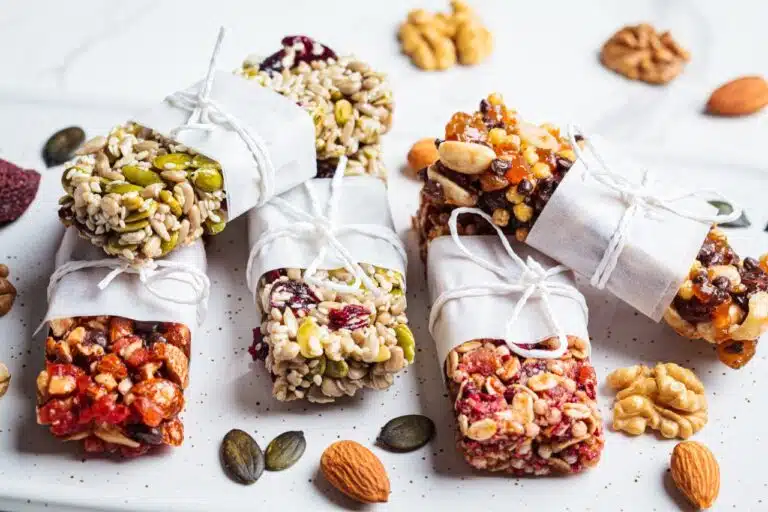
Protein bars are popular and easy-to-prepare snacks that provide the body with essential protein. Protein is an important nutrient that builds and regenerates muscles, boosts immunity, improves metabolism and gives a feeling of satiety. Protein bars are ideal for a second breakfast, after a workout or as a healthy alternative to sweets. In this article you will learn what protein bars are, why you should eat them, how to choose protein for their preparation, what ingredients to add to them and how to make them at home. We will also present some simple and tasty recipes for protein bars with different flavors and additives.
What are protein bars and why should you eat them?
Protein bars are a type of functional food, that is, food that has a beneficial effect on health and well-being. Protein bars contain a high percentage of protein, which is the basic building block of the body. Protein is essential for the formation and repair of cells, tissues and organs. Protein also participates in many metabolic, hormonal and enzymatic processes. Protein is also a source of energy and helps maintain adequate blood glucose levels. Protein bars have many benefits for those who are physically active, concerned about their waistlines or have special dietary needs. Here are some of them:
They provide a quick and easy way to supplement protein in the diet. The recommended daily intake of protein is about 0.8 grams per kilogram of body weight for adults. However, for people who participate in sports, want to build muscle mass or reduce body fat, protein requirements may be higher. Protein bars can help get the right amount of protein in the diet, especially when there is no time or opportunity to prepare a complete meal.
They help in muscle recovery after exercise. Protein is essential for repairing muscle micro-injuries sustained during training. Consuming protein after a workout speeds up recovery processes and prevents catabolism, or muscle breakdown. Protein bars are a convenient way to provide the body with protein immediately after exercise.
They increase the feeling of satiety and help control appetite. Protein is one of the most satiating macronutrients. Protein inhibits the secretion of the hormone ghrelin, which stimulates hunger, and stimulates the secretion of the hormones peptide YY and glucagon-like peptide 1 (GLP-1), which signal satiety. Protein bars can help reduce snacking between meals or replace unhealthy snacks.
They improve health and well-being. Protein is not only important for muscles, but also for other bodily functions. Protein supports the immune, nervous, endocrine and skeletal systems. Protein is also essential for the production of antibodies, hormones, enzymes and neurotransmitters. Protein bars can help ensure adequate protein for proper body function and improved mood. They are an ideal addition to easy-to-digest diet.
How to choose protein for protein bars?
There are many types of protein on the market that can be used to prepare protein bars. Each has its own advantages and disadvantages, and differs in composition, nutritional value, taste, texture and price. Here are the most popular types of protein and their characteristics:
- Whey protein (whey protein) - is one of the most commonly used types of protein. It is a by-product of cheese production. Whey protein has a high biological value, which means it contains all the essential amino acids for the body. Whey protein is quickly digested and absorbed by the body, which promotes muscle recovery after training. Whey protein comes in different forms, such as concentrate, isolate or hydrolysate. They differ in the degree of purification and the content of protein, lactose and fat. Whey protein has a mild taste and dissolves well. It is also relatively inexpensive. The disadvantage of whey protein is that it can cause allergies or intolerance in people sensitive to lactose or milk.
- Casein protein (casein protein) - is the second major type of protein derived from milk. Casein protein also has a high biological value and contains all the essential amino acids for the body. However, unlike whey protein, casein protein is slowly digested and absorbed by the body. It forms a gel in the stomach, which gradually releases amino acids into the bloodstream. As a result, casein protein provides a long-lasting feeling of satiety and provides protein for several hours. Casein protein is recommended for consumption before bedtime or in situations where it is not possible to eat a meal for a long time. Casein protein has a thick consistency and a slightly milky taste. It is also more expensive than whey protein. Like whey protein, casein protein can cause allergies or intolerances in people who are sensitive to lactose or milk.
- Egg protein - is another type of protein with high biological value and a complete amino acid profile. Egg protein comes from the whites of chicken eggs, which are separated from the yolks and dried. Egg protein is easily digested and absorbed by the body, making it a good source of protein after training or between meals. Egg protein has a neutral taste and dissolves well. It is also safe for people who are lactose or milk intolerant. The disadvantage of egg protein is that it can cause allergies in people who are allergic to eggs or their components.
- Soy protein (soy protein) - is one of the most popular types of plant protein. Soy protein comes from soybeans that are purified, dehydrated and processed. Soy protein is one of the few plant proteins that have a complete amino acid profile and high biological value. Soy protein is easily digested and absorbed by the body, making it a good source of protein for vegetarians, vegans and people with allergies to animal proteins. Soy protein also has beneficial effects on cholesterol levels, blood pressure and hormonal health. Soy protein comes in various forms, such as isolate, concentrate and texturized soy protein (TVP). Soy protein has a slightly nutty taste and dissolves well. It is also relatively inexpensive. The disadvantage of soy protein is that it can contain anti-nutrients such as phytoestrogens, lectins or trypsin inhibitors, which can interfere with the absorption of other nutrients or affect hormones. Therefore, it is recommended to limit soy protein intake to 25 grams per day and choose non-GMO certified products.
- Rice protein (rice protein) - is another type of plant protein. Rice protein comes from brown rice, which is subjected to an enzymatic and mechanical process. Rice protein has a low biological value and does not contain all the essential amino acids for the body. Therefore, it is recommended to combine it with other plant proteins, such as pea or hemp protein, to get a complete amino acid profile. Rice protein is easily digested and absorbed by the body, making it a good source of protein for people with allergies to animal proteins or gluten intolerance. Rice protein also has a beneficial effect on blood sugar levels and prevents insulin spikes. Rice protein has a neutral taste and dissolves well. It is also relatively inexpensive. The disadvantage of rice protein is that it may contain traces of heavy metals, such as arsenic and cadmium, which can be harmful to health with prolonged consumption.
- Pea protein (pea protein) - is yet another type of plant protein. Pea protein comes from yellow peas that are ground and purified. Pea protein is high in protein and low in fat and carbohydrates. Pea protein contains almost all the essential amino acids for the body, except for methionine. Therefore, it is recommended to combine it with other plant proteins, such as rice or hemp protein, to get a complete amino acid profile. Pea protein is easily digested and absorbed by the body, making it a good source of protein for people with allergies to animal proteins or gluten intolerance. Pea protein also has beneficial effects on cholesterol levels, blood pressure and kidney health. Pea protein has a slightly grainy taste and dissolves well. It is also relatively inexpensive. The disadvantage of pea protein is that it can cause bloating, gas or indigestion in some people.
What ingredients to add to protein bars?
In addition to protein, many other ingredients can be added to protein bars to improve their taste, texture, nutritional value and visual appeal. Here are some of them:
- Oatmeal - is the basis of many protein bar recipes. Oatmeal is rich in fiber, complex carbohydrates, vitamins and minerals. Oatmeal provides energy, improves digestion, lowers cholesterol and blood sugar levels, and supports the nervous system. Oat flakes give protein bars crunch and texture. You can use instant or mountain oatmeal, depending on your preference. You can also substitute oat flakes with other cereals, such as rye, barley or millet.
- Dried fruit - is another popular addition to protein bars. Dried fruits are a source of natural sugar, vitamins, minerals and antioxidants. Dried fruits add sweetness, color and flavor to protein bars. You can use different types of dried fruits, such as raisins, cranberries, apricots, figs, dates or mangoes. Dried fruits can also be cut into smaller pieces or blended into a paste to blend better with other ingredients.
- Nuts and seeds - is another healthy addition to protein bars. Nuts and seeds are rich in protein, unsaturated fats, fiber, vitamins and minerals. Nuts and seeds improve heart, brain and immune system function. Nuts and seeds add crunch and flavor to protein bars. You can use different types of nuts and seeds, such as almonds, walnuts, cashews, pistachios, sunflower, pumpkin or chia. Nuts and seeds can also be roasted or salted for better flavor.
- Honey - is another natural sweetener for protein bars. Honey is a source of glucose and fructose, which are quickly absorbed by the body. Honey also has antibacterial, anti-inflammatory and healing properties. Honey adds sweetness and stickiness to protein bars. You can use different types of honey, such as acacia, lime, buckwheat or multi-flower. Honey can also be replaced with other natural syrups, such as maple syrup, agave syrup or date syrup.
- Cocoa - is another delicious addition to protein bars. Cocoa is a source of magnesium, iron, potassium and polyphenols. Cocoa improves mood, concentration and memory. Cocoa adds chocolate flavor and color to protein bars. You can use cocoa powder or chips. Cocoa can also be substituted with other flavor powders, such as carob or lucuma.
- Spices - is another way to add variety to the taste of protein bars. Spices can affect metabolism, digestion and mood. Spices add flavor and spiciness to protein bars. Various spices can be used, such as cinnamon, cardamom, ginger, vanilla, turmeric or pepper. Spices can be added to the batter of the bars or sprinkled on the finished bars.
How to prepare protein bars at home?
Preparing protein bars at home is easy and requires no special skills or equipment. All you need are a few basic ingredients, a bowl, a spoon, a knife and a baking sheet or ice cream molds. Here are some simple methods for preparing protein bars at home:
Mixing method - This is the easiest and fastest method of preparing protein bars. It involves mixing all the ingredients in a bowl and then molding by hand or in molds. Ingredients that do not require baking or cooking, such as protein powder, oatmeal, dried fruit, nuts, seeds, honey, cocoa or spices, are suitable for this method. Here are the steps of this method:
- In a large bowl, mix the protein powder with the oatmeal and other dry ingredients. You can use a spoon, whisk or mixer.
- Add honey and other wet ingredients. Mix thoroughly to make a homogeneous mass. If the mixture is too dry, add more honey or other liquid sweetener. If the mixture is too wet, add more protein powder or other dry ingredients.
- Line a baking sheet with baking paper or grease it with oil. Transfer the mixture to the baking sheet and spread it evenly. You can use your hands, a rolling pin or a spatula. Form the mixture into a rectangle about 2 cm thick.
- Put the baking tray in the refrigerator for at least an hour to let the mixture set.
- Take the baking sheet out of the refrigerator and cut the mixture into even pieces. You can use a knife or a pizza cutter. Store the protein bars in an airtight container in the refrigerator or freezer.
- Instead of molding the mixture onto a baking sheet, you can also use ice cream molds or other shapes. Fill the molds with the mixture and level it with your fingers or a spoon. Put the molds in the refrigerator for at least an hour, and then remove the protein bars from the molds.
Baking method - This is another method of preparing protein bars. It involves baking the bar mixture in the oven, which gives it a crunchy and blush. Ingredients that tolerate high temperatures well, such as protein powder, oatmeal, nuts, seeds or cocoa, are suitable for this method. Here are the steps of this method:
- In a large bowl, mix the protein powder with the oatmeal and other dry ingredients. You can use a spoon, whisk or mixer.
- Add honey and other wet ingredients. Mix thoroughly to make a homogeneous mass. If the mixture is too dry, add more honey or other liquid sweetener. If the mixture is too wet, add more protein powder or other dry ingredients.
- Line a baking sheet with baking paper or grease it with oil. Transfer the mixture to the baking sheet and spread it evenly. You can use your hands, a rolling pin or a spatula. Form the mixture into a rectangle about 2 cm thick.
- Place the tray in an oven preheated to 180 degrees Celsius and bake for about 15-20 minutes, until the mixture is browned and firm.
- Remove the baking tray from the oven and cool it on a griddle. Cut the mixture into even pieces. You can use a knife or a pizza cutter. Store the protein bars in an airtight container in the refrigerator or freezer.
Cooking method - is yet another method of preparing protein bars. It involves cooking the bar mixture in a pot, which makes it soft and moist. Ingredients that dissolve well in water, such as protein powder, sugar, milk or peanut butter, are suitable for this method. Here are the steps of this method:
- In a small pot, boil water with sugar and other sweet ingredients. You can use white or brown sugar, maple syrup, agave or date syrup. Cook over medium heat, stirring occasionally, until a thick syrup forms.
- Add protein powder and other dry ingredients. You can use whey, casein, egg, soy or rice protein. Mix vigorously so that no lumps form. If the mixture is too thick, add more water or milk. If the mixture is too runny, add more protein powder or other dry ingredients.
- Remove the pot from the heat and add peanut butter or other fatty ingredients. You can use almond butter, cashew butter, coconut butter or tahini. Stir thoroughly to make a smooth and sticky paste.
- Line a baking sheet with baking paper or grease it with oil. Transfer the mixture to the baking sheet and spread it evenly. You can use your hands, a rolling pin or a spatula. Form the mixture into a rectangle about 2 cm thick.
- Put the baking tray in the refrigerator for at least an hour to let the mixture set.
- Take the baking sheet out of the refrigerator and cut the mixture into even pieces. You can use a knife or a pizza cutter. Store the protein bars in an airtight container in the refrigerator or freezer.
Protein bar recipes - inspiration and ideas
To make it easier for you to prepare protein bars at home, here are some specific recipes for protein bars with different flavors and additives. We provide the ingredients, method of making and nutritional values of each recipe. We also include photos of the finished bars.
Chocolate protein bar
Ingredients:
- 100 g whey protein chocolate flavor
- 100 g oatmeal
- 50 g walnuts
- 50 g raisins
- 50 g cocoa powder
- 100 ml of honey
- 50 ml of coconut oil
Method of implementation:
- In a large bowl, mix whey protein with oatmeal, walnuts, raisins and cocoa powder.
- In a small pot, heat honey with coconut oil until combined.
- Add the wet ingredients to the dry ingredients and mix thoroughly to form a sticky paste.
- Line a baking sheet with baking paper or grease it with coconut oil. Transfer the mixture to the baking sheet and spread it evenly. You can use your hands, a rolling pin or a spatula. Form the mixture into a rectangle about 2 cm thick.
- Put the baking tray in the refrigerator for at least an hour to let the mixture set.
- Take the baking sheet out of the refrigerator and cut the mixture into even pieces. You can use a knife or a pizza cutter. Store the protein bars in an airtight container in the refrigerator or freezer.
Nutritional values (per bar):
- Calories: 200 kcal
- Protein: 12 g
- Carbohydrates: 23 g
- Fat: 8 g
Vanilla protein bar
Ingredients:
- 100 g casein protein vanilla flavor
- 100 g oatmeal
- 50 g of almonds
- 50 g cranberries
- 50 ml almond milk
- 50 ml maple syrup
- 1 teaspoon of vanilla extract
Method of implementation:
- In a large bowl, mix casein protein with oatmeal, almonds and cranberries.
- In a small pot, heat almond milk with maple syrup and vanilla extract until combined.
- Add the wet ingredients to the dry ingredients and mix thoroughly to form a sticky paste.
- Line a baking sheet with baking paper or grease it with coconut oil. Transfer the mixture to the baking sheet and spread it evenly. You can use your hands, a rolling pin or a spatula. Form the mixture into a rectangle about 2 cm thick.
- Place the tray in an oven preheated to 180 degrees Celsius and bake for about 15 minutes, until the mixture is browned and firm.
- Remove the baking tray from the oven and cool it on a griddle. Cut the mixture into even pieces. You can use a knife or a pizza cutter. Store the protein bars in an airtight container in the refrigerator or freezer.
Nutritional values (per bar):
- Calories: 190 kcal
- Protein: 13 g
- Carbohydrates: 21 g
- Fat: 6 g
Coconut protein bar
Ingredients:
- 100 g egg white coconut flavor
- 100 g coconut shavings
- 50 g dates
- 50 g of chia seeds
- 50 ml of coconut oil
- 50 ml agave syrup
- 1 teaspoon of coconut extract
Method of implementation:
- In a large bowl, mix egg whites with coconut shavings and chia seeds.
- In a small pot, heat coconut oil with agave syrup and coconut extract until combined.
- Add the wet ingredients to the dry ingredients and mix thoroughly to form a sticky paste.
- Instead of molding the mixture onto a baking sheet, use ice cream molds or other shapes. Fill the molds with the mixture and level it with your fingers or a spoon. Put the molds in the refrigerator for at least an hour, and then remove the protein bars from the molds.
Nutritional values (per bar):
- Calories: 210 kcal
- Protein: 11 g
- Carbohydrates: 18 g
- Fat: 11 g
Peanut protein bar
Ingredients:
- 100 g soy protein nut flavor
- 100 g of millet flakes
- 50 g of cashew nuts
- 50 g peanut butter
- 50 ml soy milk
- 50 ml date syrup
- 1 teaspoon cinnamon
Method of implementation:
- In a large bowl, mix the soy protein with the millet flakes, cashew nuts and cinnamon.
- In a small pot, heat the peanut butter with the soy milk and date syrup until combined.
- Add the wet ingredients to the dry ingredients and mix thoroughly to form a sticky paste.
- Line a baking sheet with baking paper or grease it with coconut oil. Transfer the mixture to the baking sheet and spread it evenly. You can use your hands, a rolling pin or a spatula. Form the mixture into a rectangle about 2 cm thick.
- Place the tray in an oven preheated to 180 degrees Celsius and bake for about 15 minutes, until the mixture is browned and firm.
- Remove the baking tray from the oven and cool it on a griddle. Cut the mixture into even pieces. You can use a knife or a pizza cutter. Store the protein bars in an airtight container in the refrigerator or freezer.
Nutritional values (per bar):
- Calories: 200 kcal
- Protein: 12 g
- Carbohydrates: 20 g
- Fat: 9 g
Fruit protein bar
Ingredients:
- 100 g of rice protein natural flavor
- 100 g rye flakes
- 50 g dried apricots
- 50 g dried figs
- 50 ml of orange juice
- 50 ml agave syrup
- 1 teaspoon of lemon extract
Method of implementation:
- In a large bowl, mix rice protein with rye flakes, dried apricots and dried figs.
- In a small pot, heat the orange juice with agave syrup and lemon extract until combined.
- Add the wet ingredients to the dry ingredients and mix thoroughly to form a sticky paste.
- Instead of molding the mixture onto a baking sheet, use ice cream molds or other shapes. Fill the molds with the mixture and level it with your fingers or a spoon. Put the molds in the refrigerator for at least an hour, and then remove the protein bars from the molds.
Nutritional values (per bar):
- Calories: 180 kcal
- Protein: 10 g
- Carbohydrates: 25 g
- Fat: 4 g